
-
devcreation
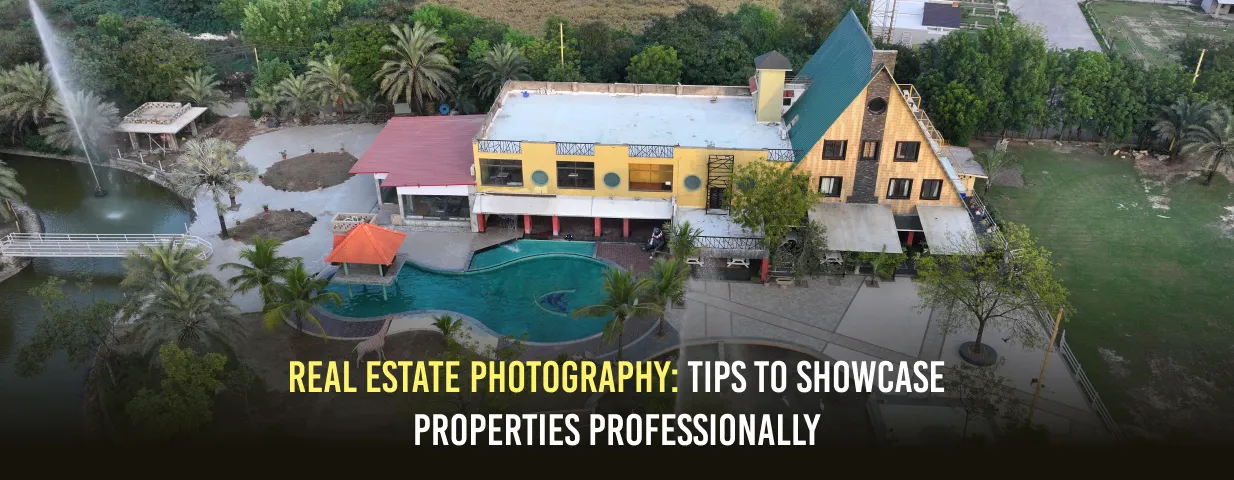
Real Estate Photography: Tips to Showcase Properties Professionally
Nowadays, before visiting a home, buyers frequently view it online. Because of this, real estate photography is a crucial component of property marketing. Clear, appealing photos make it easier for viewers to comprehend the area, identify important details, and determine whether a listing merits further consideration. Additionally, well-designed images can give a property a more reliable and polished appearance.
Why Professional Real Estate Photography Matters
Taking vivid photos is not the only aspect of professional real estate photography. It involves presenting a house, workplace, villa, or business area in an attractive yet realistic manner. High-quality photos can help a home stand out and make a better first impression because buyers may review multiple listings at once.
A good real estate photographer is knowledgeable about lens selection, camera height, composition, and lighting. Accurately showcasing rooms while creating a friendly atmosphere on the resort is the aim.
Good property photography can help by:
- Making a good first impression
- Emphasizing key elements
- Increasing the credibility of postings
- Encouraging buyers to view more images
- Supporting digital marketing campaigns
Prepare the Property Before the Shoot
The outcome is significantly impacted by preparation. Each space should be tidy, well-organized, and esthetically pleasing prior to the photo shoot. Clutter can lower the overall quality of the photos, distract viewers, and make spaces appear smaller.
Focus on these simple steps:
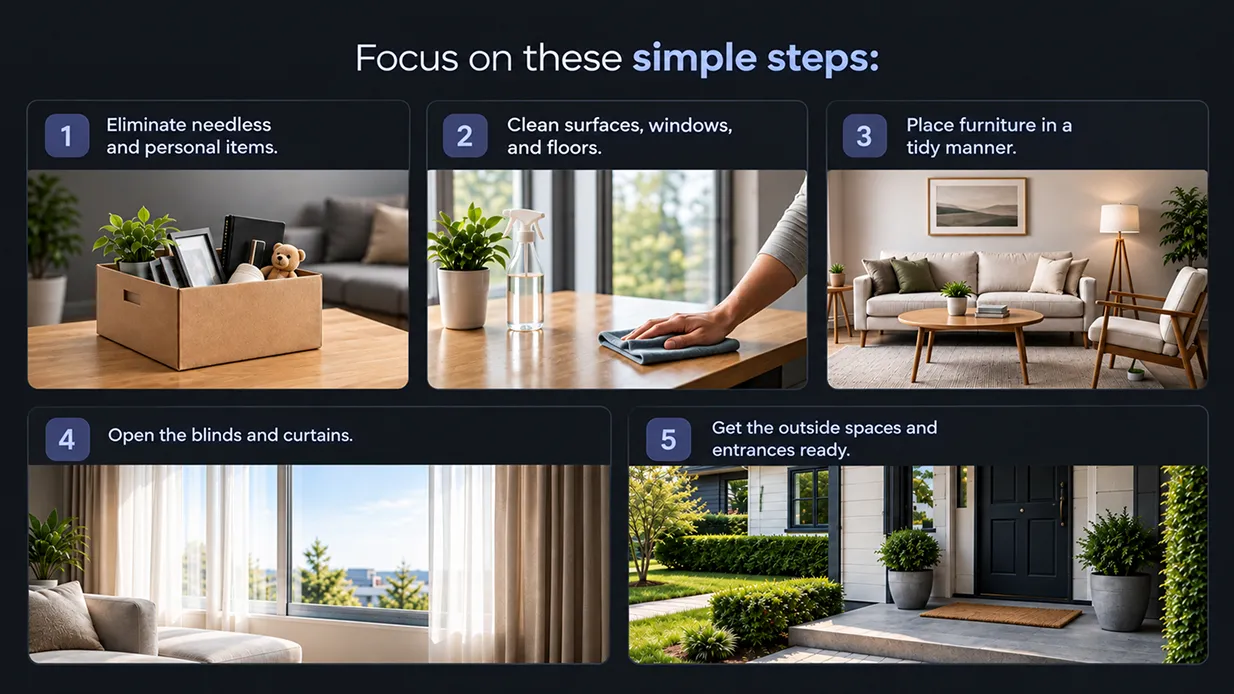
Beds should be made, cushions arranged, kitchen counters cleared, and visible wires or bins removed. Outside, move unnecessary vehicles or objects away from the main view. Careful preparation makes property photography cleaner and allows buyers to focus on the actual space. For large commercial spaces, factories, and infrastructure projects, Industrial Photography can help showcase scale, structure, machinery, and important property details professionally.
Use the Right Lighting and Camera Angles
A room’s look can be drastically altered by lighting. Photography should preferably be scheduled when the site receives balanced light, since natural daylight typically provides a fresh and appealing ambiance. When necessary, interior lights can be employed, but they shouldn’t produce artificial color tones.
Additionally, a real estate photographer should maintain straight lines both vertically and horizontally. Extreme wide-angle perspectives and tilted walls can give photos an amateurish or deceptive appearance. Viewers are better able to comprehend a room’s actual size when the camera is positioned correctly and the composition is balanced.
Observe these fundamental shooting techniques:
- Natural lighting is preferable
- Aim for even camera placement
- Reduce harsh shadows
- Use balanced angles within the room
- Minimize distortions caused by lenses
Capture the Most Important Property Areas
A good photo series should be such that it helps the buyer get an idea about the house from start to finish. One should start with the exterior and entry, then move on to the living area, kitchens, bedrooms, washrooms, balconies, parking space, etc.
Area | What to Highlight | Best Approach |
Exterior | Design, entrance, landscaping | Use a clean wide shot. |
Living Room | Layout, space, natural light | Capture a balanced corner view. |
Kitchen | Storage, counters, appliances | Clear clutter before shooting. |
Bedroom | Size, windows, furniture | Use soft natural daylight. |
Bathroom | Fixtures, finishes, cleanliness | Keep lines straight and clear. |
Detail shots may also be selected to emphasize any premium finish, designer lighting, material, or even architectural feature. These photos enrich the listing without overcrowding it.
Use a Real Estate Photography Drone for Aerial Views
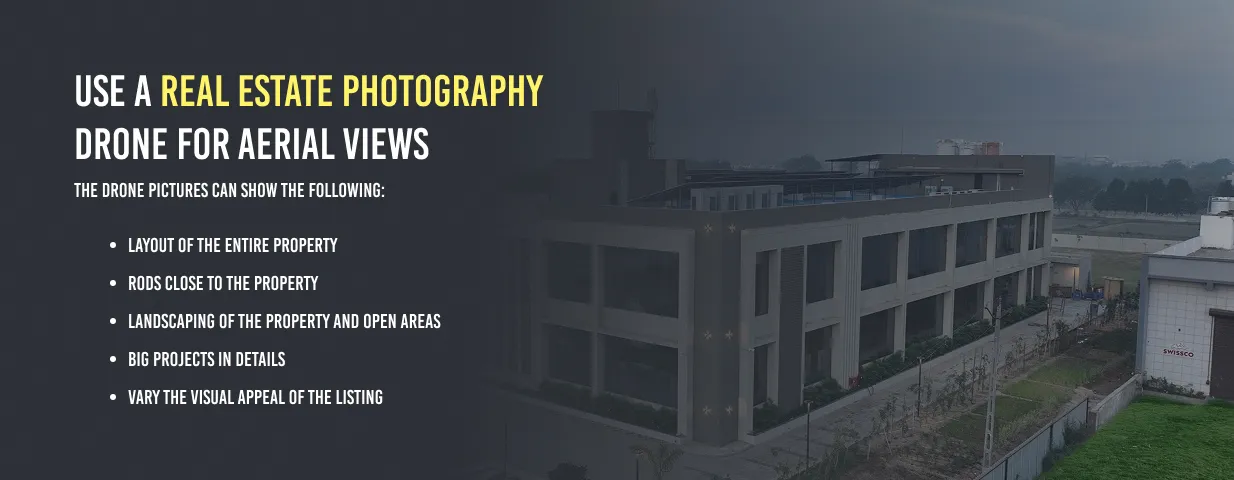
For villas, farmhouses, resorts, commercial buildings, residential projects, and open plots, real estate photography drone images can provide valuable context. Aerial views help buyers understand property size, access roads, landscaping, surrounding areas, and nearby development.
The most important application of real estate photography drone images is in those situations where the location of the property is the key factor in marketing.
The drone pictures can show the following:
- Layout of the entire property
- Rods close to the property
- Landscaping of the property and open areas
- Big projects in details
- Vary the visual appeal of the listing
A real estate photography drone should complement standard interior and exterior photographs rather than replace them. Together, both perspectives create a more complete visual presentation. For properties where location, surroundings, and overall layout matter, Aerial Photography can provide a wider and more informative visual perspective.
Improve Images with Real Estate Photography Editing
Well-composed pictures might sometimes require careful processing. Real estate photography editing can help fix such problems as lighting, white balance, color temperature, perspective, and difference in exposures while ensuring the realism of the property.
Editing must serve the purpose of improving the appearance of the picture, without altering any permanent details or giving a false impression. Real estate photography editing can make up for the difference between brightly lit windows and darker rooms.
The main purpose of editing must always remain enhancement, not alteration. Too vivid colors, impossible skies, or excessive object removal can lower the level of credibility of the photograph.
Common Photography Mistakes to Avoid
Bad lighting, messy rooms, extreme angles of the camera, missing property areas, and over-retouching of photos can make real estate photographs less effective. All images have to be standardized visually and provide an accurate representation of the area.
One more typical error in photography is the concentration on large rooms. Property photography should provide a full explanation of the property but should not include too many photographs.
Why Hire a Professional Real Estate Photographer?
Employing the services of a professional real estate photographer could be both a time-saving measure and provide consistency throughout the listing process. Professional photographers know how to properly use lighting, choose appropriate lenses, keep proper perspective, and produce the whole sequence of images.
Professional real estate photography is applicable not only in property portals, on websites, in brochures, and in social networks and advertisements, but also in creating a strong image of a developer, broker, architect, or real estate business as a whole.
Consistent and professional presentation of the property allows potential buyers to understand its features better and gain confidence in the listing. Businesses can also explore Professional Visual Solutions for Modern Businesses to understand how strong visual content can support branding, marketing, and customer engagement.


Conclusion
Good real estate photography can affect buyer perception of the property online. Proper preparation, good lighting, composition, aerial shots, and natural editing play key roles in producing great photos for the listing. Hiring a professional real estate photography can be a smart move.
Frequently Asked Questions
Good quality photography of properties helps potential buyers to understand their features easily and increases the professionalism of online listings.
Drone photography works well for large homes, plots, resorts, commercial properties, and projects where surrounding areas are important.
Editing should improve lighting, color, perspective, and clarity while keeping the property natural, accurate, and realistic.