
-
devcreation
Photography for Food: A Complete Guide to Creating Stunning Food Images
The eyes are frequently the first organs to perceive food. Customers develop expectations regarding freshness, quality, and presentation prior to eating food. Photography for food is a crucial marketing strategy that draws attention and promotes orders for eateries, cafés, cloud kitchens, and food businesses.
Why Photography for Food Matters
On websites, delivery apps, listings, and social media, customers make snap selections. Dishes are presented in an enticing and memorable manner by good photography for food. Additionally, consistent photos provide a restaurant a polished appearance and let patrons know what to anticipate from their meal.
Important Advantages of Powerful Food Images
- makes food appear more appealing and simpler to comprehend.
- creates a unified visual identity on all platforms.
- supports social media, websites, menus, and advertisements.
- Let clients know what to anticipate before placing an order.
- produces reusable resources for marketing and promotions.
Essential Elements of Photography for Food
Lighting, styling, composition, camera angle, background, and timing are all critical to successful photography for food. The objective is to organically highlight food while maintaining a brand-consistent visual esthetic. Explore professional food photography Ahmedabad services to create appetizing, high-quality visuals that strengthen your restaurant’s brand presence.
Lighting
Natural and Artificial Light
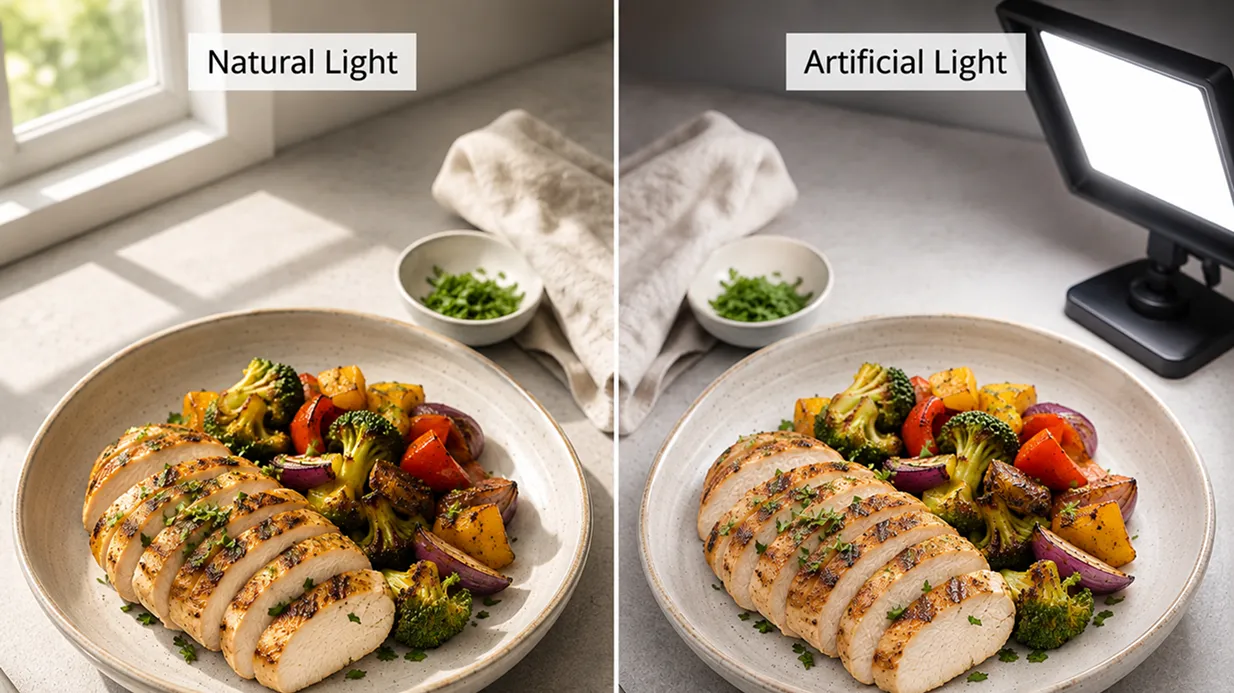
For new photos, soft natural light is ideal. More control is provided by diffused artificial illumination. While backlighting works well for drinks, steam, sauces, and glossy foods, side lighting highlights texture.
Styling and Composition
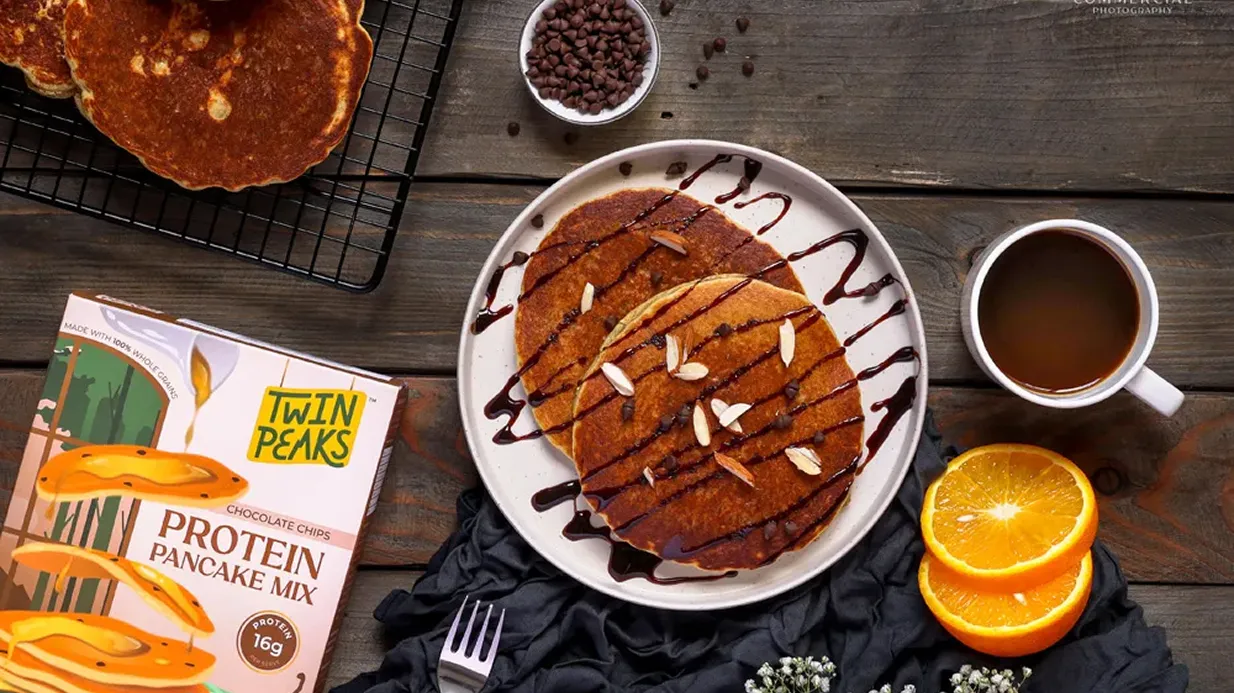
Instead of competing with the food, props should enhance it. Context can be added with plates, silverware, ingredients, and garnishes. Overhead spreads, hero photos, chef plating moments, ingredient close-ups, and lifestyle dining scenarios are all helpful restaurant photo ideas.
Choosing the Best Camera Angle
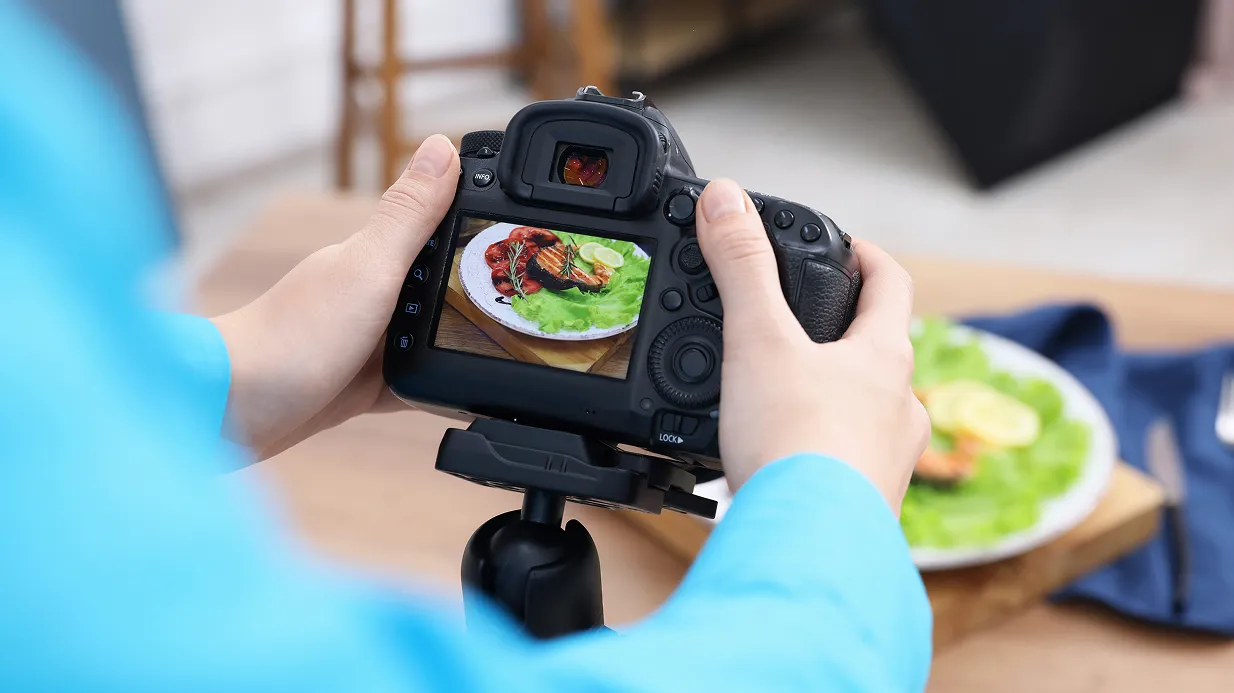
The height, shape, and texture of a dish determine the proper angle. Pizzas, thalis, and spreads are best viewed from above; curries and plated meals are best viewed from a 45-degree angle; burgers, cakes, and stacked drinks are best viewed from eye level. Select the angle that highlights the best aspect when designing a photography restaurant food.
Quick Camera Angle Guide
- For flat dishes and table arrangements, use overhead pictures.
- For the majority of plated dinners, select 45-degree views.
- For tall or tiered dishes, take pictures at eye level.
- When texture matters, get closer.
- For promotional copy, leave negative space.
Food Photography for Restaurants
Effective food photography for restaurants should be organized according to the locations of the photos. Clean compositions are necessary for menus, lifestyle photos can be used on social media, negative space is needed for website banners, and clear dish-focused images are advantageous for delivery platforms.
Coordination with chefs and personnel is also necessary for good food photography in restaurant settings. Fresh food should be delivered, garnishes should be prepared, and the photographer should be aware of the available tables, backgrounds, lighting, and timetable. In restaurant shootings, consistent food photography in restaurant contributes to the development of a cohesive visual identity. Discover the latest Creative Food Photography Trends to bring fresh and engaging ideas to your restaurant photography.
Where You Can Use Pictures of Restaurants
- Printed and digital menus.
- landing pages and websites for restaurants.
- Instagram, Facebook, and social platforms.
- Swiggy, Zomato, and ordering platforms.
- Posters, ads, offers, and seasonal campaigns.

Professional Indian Food Photography
Color, texture, steam, gravies, breads, rice, chutneys, spices, and regional presentation are all important aspects of Professional Indian food photography. Indian cuisine frequently has a number of visual components; thus, design should balance them without packing the frame.
Authenticity is just as important in professional Indian food photography as visual appeal. Breads should have a natural texture, gravies should appear fresh, garnishes should seem plausible, and a thali should maintain its traditional character. Presenting actual food at its most visually appealing is the goal.
Food Photography Planning Table
Area | What to Plan | Why It Matters |
Lighting | Natural or diffused light | Keeps colors attractive |
Styling | Plates, props, garnish | Creates visual balance |
Angles | Overhead, 45-degree, eye-level | Highlights key features |
Background | Brand-relevant surfaces | Supports consistency |
Shot List | Hero dishes and details | Creates versatile content |
Creative Restaurant Photography
There should be more than just dishes in a content library. Other possible topics for restaurant photo ideas are chefs making meals, handling ingredients, pouring drinks, setting tables, or patrons enjoying a meal. These pictures convey mood and serve as social media material.
Combining lifestyle photos with crisp product-style photographs allows considerable flexibility in food photography for restaurants. While outdoor photographs enhance digital marketing and brand narrative, clean images are ideal for menus and delivery applications.
Common Food Photography Mistakes
Excessive retouching, improper color balance, and poor lighting can all lower the quality of photography for food. Cluttered backgrounds are another frequent problem in photography restaurant food since people, dinnerware, and décor can detract from the dish.
Five Mistakes to Avoid
- Using harsh light without proper diffusion.
- Adding too many props around the dish.
- Over-saturating colors during editing.
- Choosing angles that hide texture.
- Shooting food after it loses freshness.
Editing Food Images
Editing should improve the dish, not alter it. Avoid using strong filters or exaggerated color shifts while adjusting exposure, white balance, contrast, sharpness, and cropping. Learn how thoughtful styling and professional techniques create Delicious Visuals That Capture Every Detail and make food look more appealing.
Conclusion
Before patrons take their first bite, restaurants and food businesses may convey taste, freshness, quality, and personality through Photography for food. Menus, websites, delivery listings, advertisements, and social media all benefit from effective graphic planning. Photography restaurant food can be useful marketing tools with careful lighting, styling, composition, and editing.
Frequently Asked Questions
Because it maintains realistic colors and emphasizes texture without creating harsh shadows, soft natural light or diffused artificial light typically works best.
Professional imagery improves brand perception and strengthens content for menus, websites, social media, and delivery platforms.
Start with hero shots, overhead spreads, ingredient close-ups, chef action images, and dining ambience.