
-
devcreation
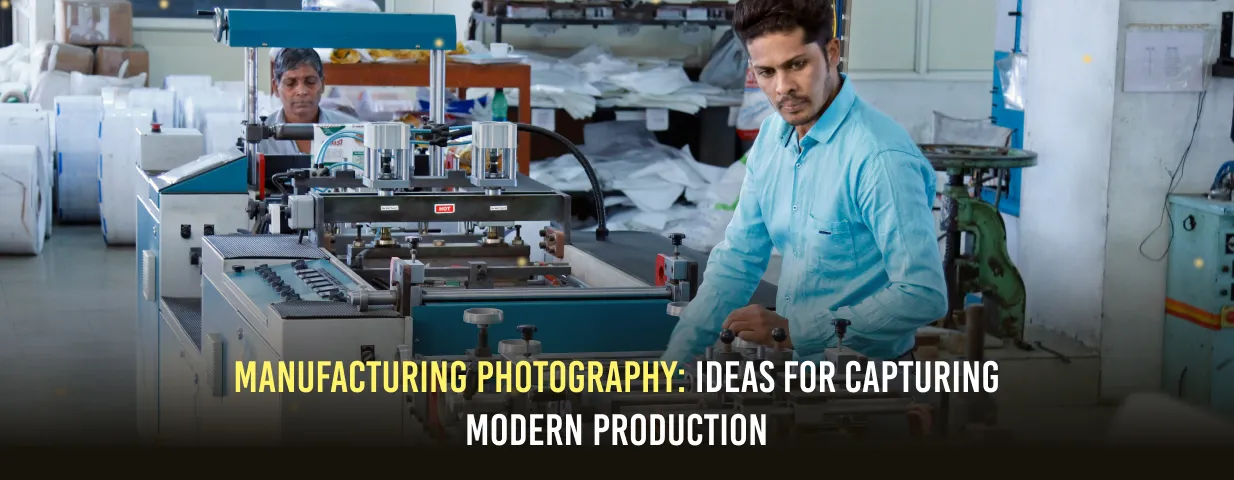
Manufacturing Photography: Ideas for Capturing Modern Production
Professional images that convey capacity, scale, technology, and trust are essential for modern manufacturers. Manufacturing photography aids industrial companies in showcasing their actual workspace, equipment, personnel, quality standards, and final goods. Businesses can use real images on their websites, brochures, presentations, ads, and social media instead of using generic stock photos.
Customers may better comprehend the people, systems, and infrastructure that underpin a product with the aid of a well-planned visual library. Every picture may enhance the company’s industrial narrative, from automated production lines to knowledgeable professionals.
Why Manufacturing Photography Matters
Customers can get a realistic view of a company’s production capabilities through Manufacturing photography. It can draw attention to well-organized facilities, cutting-edge machinery, knowledgeable staff, safe procedures, and effective workflows. Before a buyer starts a business relationship, these images can boost confidence for B2B enterprises.
Among the main advantages are:
- Increases partners’ and customers’ trust.
- Displays infrastructure and production capability.
- Emphasizes technical and engineering know-how.
- Supports presentations, brochures, and websites.
- Produces genuine material for online advertising.
Expert factory outlet photos can also demonstrate a company’s size and physical presence. The company feels more open and well-established thanks to its loading zones, warehouses, entrance areas, and exterior vistas. For brands looking to showcase production environments with greater clarity, Industrial Photography can help present machinery, processes, teams, and facilities in a professional way.
Best Ideas for Capturing Modern Production
Capture the Factory Floor
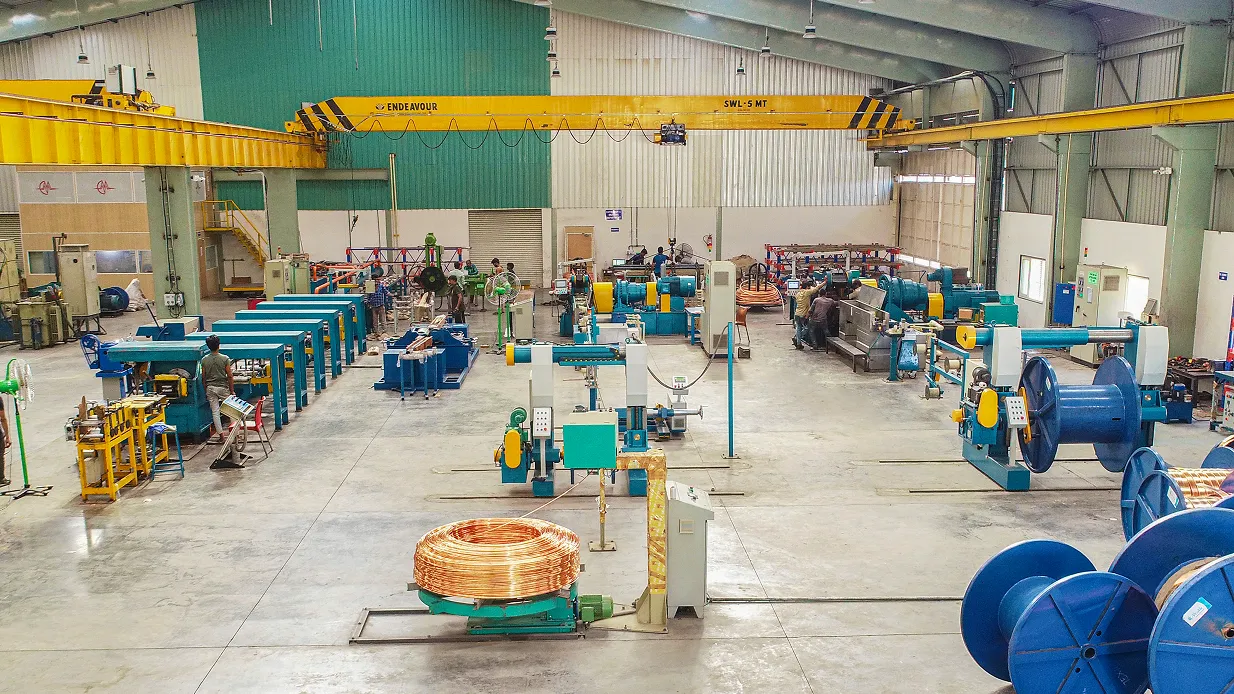
Images of the manufacturing floor taken from a wide angle are useful for conveying size and capabilities. Assembly lines, manufacturing zones, workers, and massive equipment in tidy, well-composed frames should all be included in a professional factory shoot.
Useful factory-floor shots include:
- Full production line views.
- Workers operating equipment.
- Organized storage areas.
- Active manufacturing departments.
- Clean working environments.
Focus on Machinery and Technology
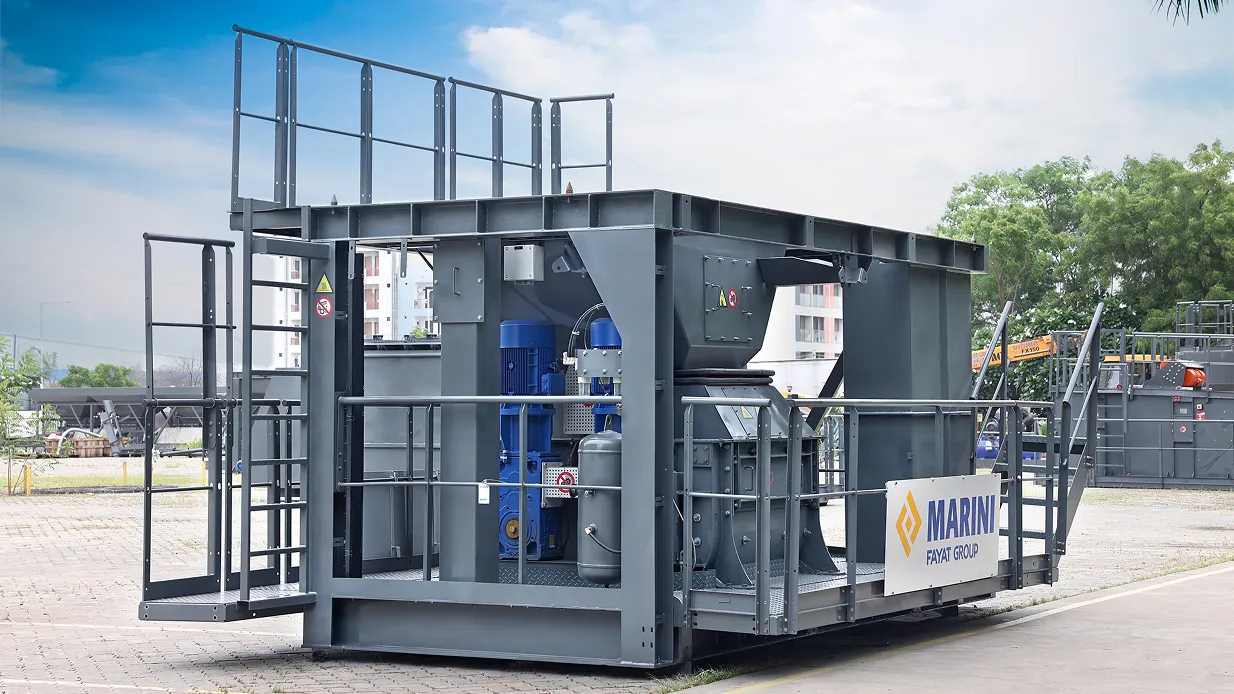
Machine photography is essential for manufacturers that want to highlight engineering capability and technological investment. Capture control panels, robotic systems, precision components, digital displays, and moving mechanical parts.
Strong machine photography combines full-machine views with close-up details. Wide frames communicate scale, while tighter images reveal precision, craftsmanship, and technical sophistication.
Photograph Employees at Work
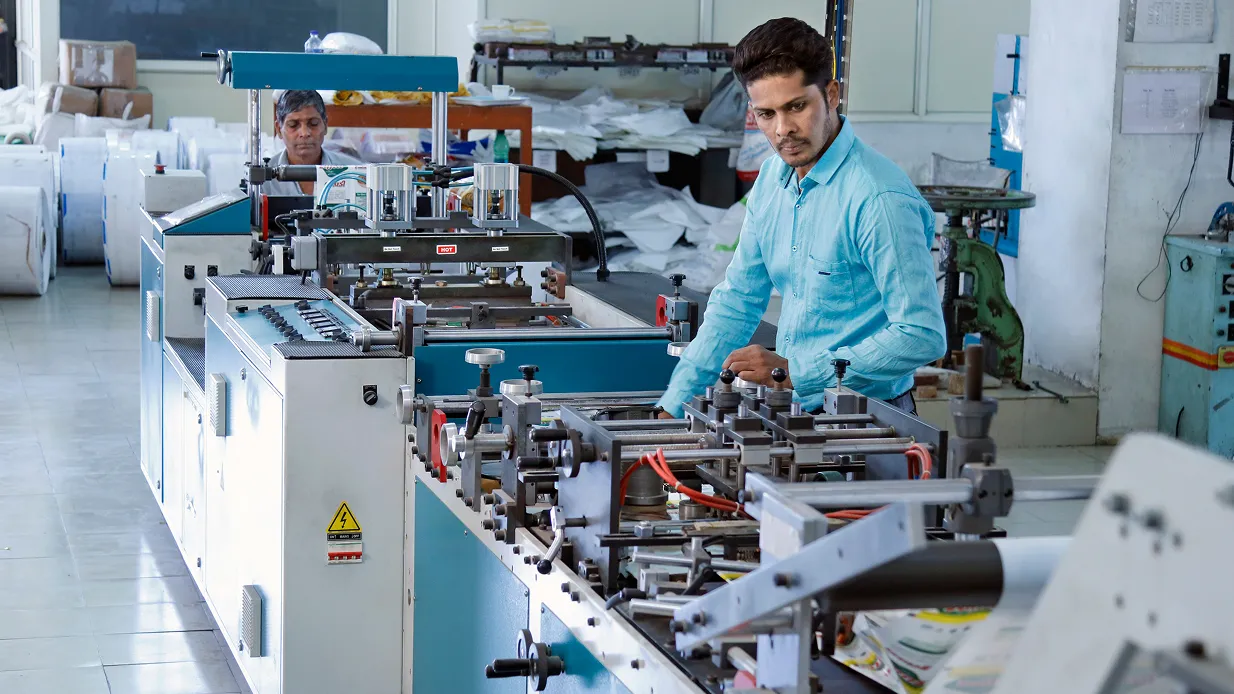
Industrial sights are made more relatable by people. Photographs of engineers, operators, technicians, inspectors, and supervisors should be taken in a natural setting while they are carrying out actual work.
Useful business photoshoot ideas include:
- Engineers inspecting equipment.
- Operators managing production lines.
- Teams discussing technical processes.
- Supervisors verify the quality.
- Employees following safety procedures.
Additionally, employer branding, LinkedIn content, recruitment, and business culture communication can all benefit from these photos.
Document the Production Process
Showing a product’s journey from raw materials to final packaging is one of the best uses of manufacturing photography. To generate a comprehensive visual trip, record material preparation, processing, assembly, testing, packing, storage, and shipping.
Before filming starts, a planned photography factory session should determine the most crucial production phases. This guarantees that crucial processes are effectively recorded without interfering with ongoing operations.
Show Quality Control and Testing
Quality-control visuals communicate precision and reliability. Photograph inspection tools, testing equipment, measurement systems, laboratory procedures, machine calibration, packaging checks, and technicians reviewing products. These images are especially valuable for engineering, food, pharmaceutical, export, and precision-driven manufacturing businesses because they visually reinforce consistency and attention to detail.
Capture Factory Exterior and Infrastructure
Professional factory outlet photos must not focus on just the main entrance. Photos must be taken of the factory structure itself, its warehouses, loading docks, transport facilities, reception area, and other facilities around it.
A complete photography factory setting must combine exterior, interior, people, machine, and manufacturing process photos. This would lead to a wide array of pictures rather than repetitive factory floor shots. For large manufacturing units and industrial campuses, Aerial Photography can provide a broader perspective of factory infrastructure, warehouses, and surrounding facilities.
Planning a Professional Factory Shoot
A successful factory shoot begins with preparation. Decide where the images will be used, create a shot list, clean important areas, brief employees, and discuss safety or confidentiality restrictions in advance.
Planning Area | What to Prepare | Why It Matters |
Factory areas | Clean and organize key spaces. | Creates a professional impression |
Machinery | Prepare active machines. | Shows real production capability |
Employees | Brief teams and confirm safety wear. | Creates natural, consistent images |
Shot list | Plan wide, close-up, people, and product shots. | Prevents important visuals being missed |
Marketing use | Define website, brochure, or social needs. | Ensures suitable compositions |
Planning also makes it easier to include creative business photoshoot ideas, such as leadership portraits, engineering-team photographs, and workplace interactions.
Lighting and Composition
The light in factories is not always good, as there can be many dark spots in addition to bright windows, shiny surfaces of metal, and varied temperatures. The lighting should enhance the visibility without making the environment unnatural.
The Manufacturing photography needs to contain compositions from a wide shot to a medium one and a detailed one. In wide pictures, the viewer can understand the scale; medium pictures will explain what is going on; and the detailed pictures will demonstrate workmanship.
Where Industrial Images Can Be Used
Such professional images of factories will be useful for corporate websites, landing pages, brochures, catalogues, company descriptions, LinkedIn, social media campaigns, exhibitions, sales presentations, hiring, and employee branding. It is beneficial to use such images consistently to develop an industrial image.
Businesses can also explore Professional Visual Solutions for Modern Businesses to understand how strong visual content can support branding, marketing, and corporate communication.
Common Mistakes to Avoid
It is important to avoid messy settings, dead equipment, unprofessional settings, and forced poses by the employees. One other mistake that people often make is photographing only large industrial settings without considering the small details like people, products, quality control practices, and other auxiliary components.
Conclusion
Manufacturing photography allows companies to communicate their technology, personnel, facilities, and manufacturing processes effectively. A well-thought-out photoshoot can help businesses convert their ordinary factory processes into useful marketing tools. This is because, through manufacturing photography, businesses are able to tell their industrial stories effectively by incorporating equipment, people, processes, and high-quality visuals.
Frequently Asked Questions
A proper session should consist of machines, workers, the manufacturing process, infrastructure, products, quality control, and pertinent views of the facility.
Clean important areas, prepare machinery, brief employees, confirm safety requirements, and create a clear shot list.
They help consumers comprehend the abilities of businesses, instill confidence, and deliver genuine information to websites, brochures, presentations, and online marketing efforts.